
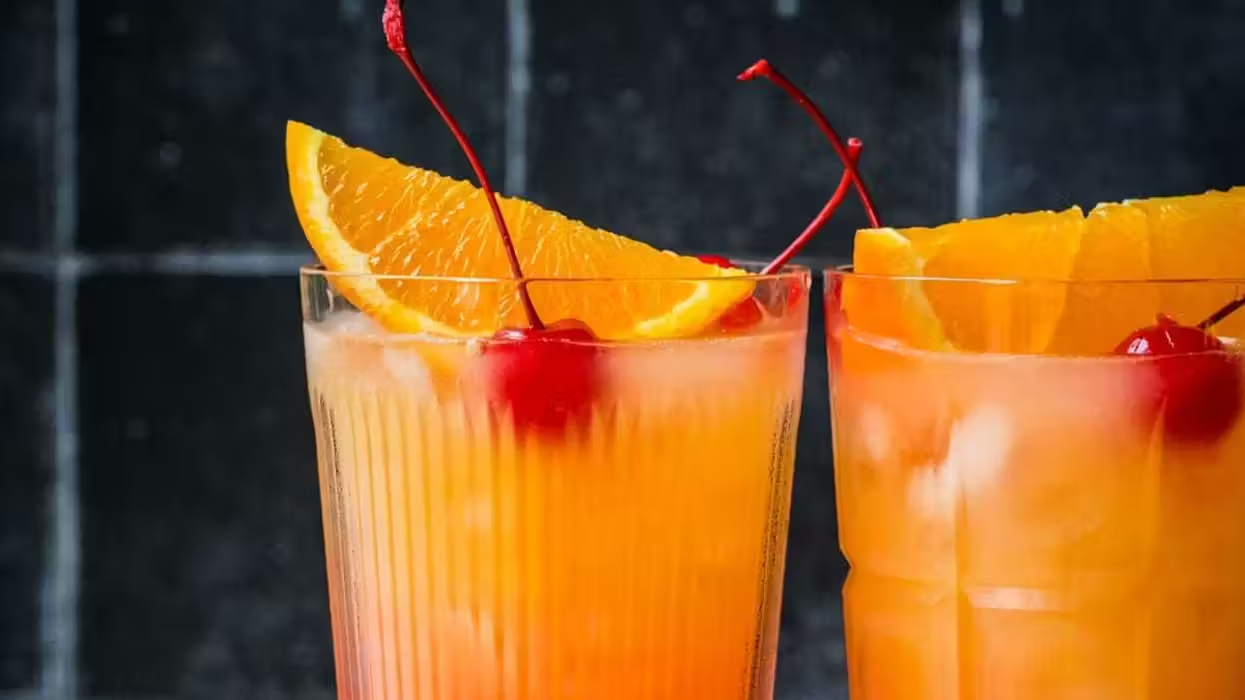
Modern mixology is no longer just about mixing spirits; it has evolved into a global craft influenced by culture, innovation, sustainability, and sensory storytelling. Bartenders across the world are blending traditional techniques with modern creativity to design drinks that are visually stunning, flavorful, and experience-driven. Alongside this evolution, non-alcoholic innovation has also grown rapidly, making mocktail recipes an essential part of contemporary beverage culture.
The Rise of Global Mixology Culture
Over the last decade, cocktail culture has shifted from simple bar service to a form of culinary art. Influences now come from Tokyo’s precision bartending, New York’s experimental flavor layering, Mexico’s bold ingredient use, and Europe’s heritage-based infusions. This global exchange of ideas has created a new wave of creative cocktail recipes that emphasize balance, storytelling, and presentation.
Bartenders are no longer just drink makers; they are experience designers. They study ingredients deeply, often treating cocktails like gourmet dishes. This shift has also encouraged the rise of mocktail recipes that mirror the same sophistication without alcohol, ensuring inclusivity for all guests.
Ingredient Innovation and Flavor Fusion
One of the strongest trends shaping modern cocktails is ingredient innovation. Instead of relying only on traditional mixers, bartenders now experiment with herbs, spices, floral extracts, and exotic fruits.
For example, ingredients like basil, rosemary, hibiscus, yuzu, tamarind, and matcha are becoming common in high-end bars. These ingredients help create layered flavors that feel fresh and unexpected.
This trend also heavily influences mocktail recipes, where complexity is achieved without alcohol. Smoke-infused syrups, cold-brew teas, and botanical reductions are often used to replicate depth and richness in non-alcoholic drinks.
A creative cocktail today might combine cucumber, elderflower, lime, and sea salt, while its mocktail version focuses on the same aromatic balance using soda water or herbal infusions.
Visual Presentation and Social Media Appeal
In the age of Instagram and TikTok, visual appeal plays a major role in drink creation. Bright colors, layered gradients, edible flowers, and artistic glassware are now standard elements of modern mixology.
Drinks are designed to be photographed before they are consumed. This has pushed bartenders to innovate with techniques like floating ingredients, smoke bubbles, and color-changing syrups.
Mocktail recipes benefit greatly from this trend as they naturally lend themselves to vibrant colors and creative garnishes. A layered berry citrus mocktail, for instance, can look just as luxurious as a premium cocktail, making it popular in cafes, restaurants, and home setups alike.
Low-Waste and Sustainable Mixology
Sustainability is another major influence in global drink trends. Many bartenders now focus on reducing waste by using whole ingredients, repurposing fruit peels, and creating syrups from scraps.
For example, pineapple skins are used for fermentation, citrus peels are turned into oils, and leftover herbs are infused into syrups. This not only reduces waste but also enhances flavor complexity.
Mocktail recipes also follow this sustainable direction. Instead of relying on artificial syrups, many non-alcoholic drinks now use homemade infusions and natural sweeteners like honey, agave, or coconut water.
Sustainability in mixology is not just a trend; it is becoming a standard practice that defines modern beverage culture.
Signature Cocktail Inspirations from Around the World
Global influence has led to the creation of signature drinks inspired by different regions.
In Japan, precision and minimalism dominate, resulting in clean, crisp cocktails with subtle flavors like yuzu gin spritz or sake-based blends.
In Mexico, bold and spicy ingredients like chili, tamarind, and tropical fruits create vibrant drinks with strong personality.
In Europe, herbal liqueurs and classic techniques are reimagined into modern interpretations of traditional cocktails.
Each of these global inspirations also has a parallel in mocktail recipes, where the same cultural essence is recreated using juices, herbs, and sparkling bases instead of alcohol.
The Science of Balance in Modern Drinks
A key principle in mixology is balance. Every great drink combines sweetness, acidity, bitterness, and aroma in harmony. This balance is what separates an average drink from a memorable one.
Bartenders often test multiple variations before finalizing a recipe. Even small changes in acidity or sweetness can dramatically affect the final taste.
Mocktail recipes require even more precision because alcohol is often replaced with alternative flavor carriers. Ingredients like ginger, tonic water, or infused teas help replicate complexity and maintain balance.
The science behind drink-making has made mixology both an art and a technical discipline.
Experiential Drinking and Sensory Design
Another major trend is experiential drinking, where the focus is on creating a multi-sensory experience. This includes sound, aroma, texture, and temperature.
For example, some cocktails are served with aromatic smoke, while others include edible foam or popping candy for texture. Temperature contrast is also used, such as chilled glasses with warm infusions.
Mocktail recipes are increasingly adopting these techniques. A citrus rosemary mocktail might be served with a smoked glass dome, creating a dramatic sensory reveal even without alcohol.
This focus on experience turns a simple drink into a memorable event.
Health-Conscious Beverage Choices
Health awareness has significantly influenced modern drink trends. Consumers are now more conscious of sugar content, artificial additives, and calorie intake.
As a result, bartenders are designing lighter cocktails and expanding non-alcoholic menus. Kombucha, fresh juices, herbal tonics, and detox waters are becoming common bases for both cocktails and mocktail recipes.
This shift reflects a broader lifestyle change where people want flavorful drinks that also support wellness goals.
Home Mixology and DIY Creativity
With the rise of home entertainment, more people are experimenting with mixology at home. Simple tools like shakers, muddlers, and infusion jars are widely available, making it easy to create professional-style drinks.
Social media tutorials have also encouraged people to try creative cocktail recipes in their kitchens. At the same time, mocktail recipes have become especially popular among beginners due to their simplicity and accessibility.
Home mixology allows individuals to experiment with flavors, adjust sweetness levels, and personalize drinks according to preference.
Future of Global Cocktail Trends
The future of mixology is expected to become even more innovative. Artificial intelligence, molecular gastronomy, and sustainable sourcing will continue shaping the industry.
We will likely see more personalized drinks designed based on individual taste profiles. Non-alcoholic innovation will also continue to grow, with mocktail recipes becoming just as diverse and sophisticated as traditional cocktails.
The boundary between cocktail and mocktail culture will continue to blur, creating a unified beverage experience focused on creativity, flavor, and inclusivity.
Conclusion
Creative mixology is now a global art form driven by innovation, culture, and sustainability. From ingredient experimentation to sensory presentation, every aspect of drink-making is evolving rapidly. Mocktail recipes play a crucial role in this transformation, offering inclusive and equally creative alternatives to traditional cocktails.
As global trends continue to influence bartenders and home enthusiasts alike, the world of beverages will keep expanding into new and exciting directions, where every drink tells a story.