
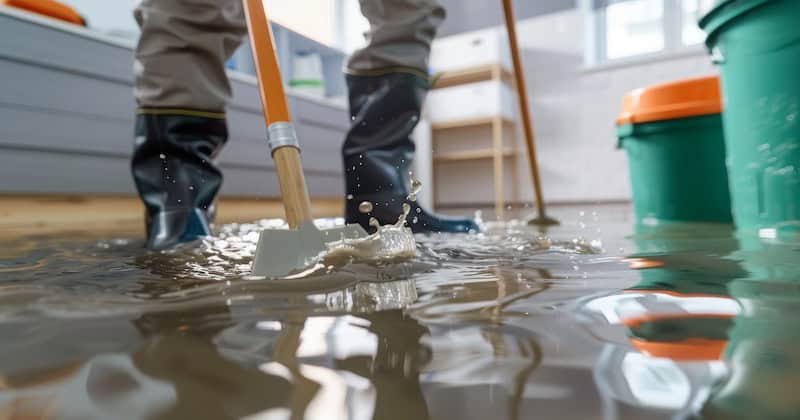
A sewer backup can be one of the most stressful and unsanitary situations a homeowner or business can face. The sudden influx of wastewater into your property not only causes property damage but also poses serious health risks. Professional sewer backup cleaning is essential to restore safety, hygiene, and functionality to affected areas. Understanding the effective techniques that experts use can help you appreciate the importance of timely intervention and the right approach.
Understanding Sewer Backups
Sewer backups occur when the normal flow of wastewater in your sewer lines is blocked, causing sewage to flow back into your home or building. Common causes include tree root intrusions, clogs from debris, pipe corrosion, and blockages in municipal sewer lines. Ignoring a backup can lead to severe damage to your flooring, walls, and personal belongings, while also exposing occupants to harmful bacteria and pathogens.
Effective sewer backup cleaning requires a structured approach, starting with a professional assessment of the affected area. Experts first identify the source and extent of the backup. They use specialized tools like sewer cameras to inspect the condition of your pipes and locate blockages accurately. This initial inspection is crucial to ensure the cleaning process addresses the root cause and prevents future issues.
Safety Precautions and Protective Measures
Before any sewer backup cleaning begins, safety is a top priority. Experts wear personal protective equipment (PPE) including gloves, boots, masks, and suits designed to protect against contamination. They also secure the area to prevent accidental exposure to sewage, which can carry bacteria such as E. coli, Salmonella, and Hepatitis A.
Proper ventilation is another key aspect of safe sewer backup cleaning. Professionals use fans and air movers to reduce harmful fumes and limit the spread of pathogens. Ensuring safety is not just about protecting workers—it also safeguards your family, pets, and anyone else in the vicinity.
Water Extraction and Removal
One of the first steps in sewer backup cleaning is the removal of standing water. This step is crucial because stagnant sewage can quickly damage materials and create a breeding ground for mold and bacteria. Experts use high-powered pumps and industrial wet vacuums to remove contaminated water efficiently.
Water extraction is more than just removing visible water. It also involves ensuring that water trapped in carpets, under floors, or inside walls is effectively extracted to prevent secondary damage. Skilled professionals understand how to balance speed with thoroughness, using advanced moisture meters and detection tools to identify hidden pockets of water.
Cleaning and Sanitizing Affected Areas
After water removal, the cleaning process begins. Sewer backup cleaning requires specialized cleaning agents capable of neutralizing harmful pathogens. Professionals scrub and disinfect surfaces including floors, walls, and structural components to remove contaminants completely.
High-pressure washing may be used on durable surfaces to remove debris and residues, while softer surfaces are treated with safe, EPA-approved disinfectants. The goal is to not just clean, but to restore the area to a safe and hygienic condition. Experts pay particular attention to corners, cracks, and hidden spaces where bacteria can thrive.
Handling Sewage-Contaminated Materials
In many cases, certain materials like carpets, drywall, or insulation may be irreparably contaminated. Sewer backup cleaning often involves assessing which items can be salvaged and which must be removed. Proper disposal of contaminated materials is crucial to prevent further contamination and adhere to local regulations.
Professionals follow strict protocols for bagging, sealing, and transporting hazardous waste to approved disposal sites. This careful handling ensures that contaminated materials do not pose a risk during cleanup or disposal.
Drying and Dehumidification
Once the area has been cleaned, drying is the next critical step. Sewer backup cleaning requires thorough drying to prevent mold growth, which can begin within 24 to 48 hours in damp conditions. Experts use industrial-grade dehumidifiers, air movers, and heaters to accelerate the drying process.
Drying is carefully monitored using moisture meters to ensure that no hidden dampness remains in walls, floors, or subflooring. Proper drying not only prevents mold but also helps restore structural integrity to affected areas.
Odor Control and Air Quality Restoration
A significant challenge in sewer backup cleaning is odor control. Even after cleaning, lingering sewage odors can persist if not addressed properly. Experts use specialized deodorizing agents and ozone treatments to neutralize foul odors.
Restoring air quality is also critical. Professionals may use HEPA filtration and air scrubbers to remove airborne particles, ensuring that the environment is safe and comfortable for occupants. Effective odor control and air quality restoration complete the sanitation process and give peace of mind that the area is safe for use.
Preventive Measures and Maintenance
After completing sewer backup cleaning, experts often advise homeowners on preventive measures to reduce the risk of future backups. Regular sewer line inspections, proper disposal of grease and waste, and the use of drain screens can significantly reduce the likelihood of blockages.
Some professionals also recommend installing backflow prevention devices or sump pumps in areas prone to flooding or backups. These proactive steps complement sewer backup cleaning efforts and help maintain the long-term health and safety of your plumbing system.
The Importance of Hiring Professionals
While DIY cleaning may seem tempting, sewer backup cleaning is not a task to take lightly. Professionals bring the right training, equipment, and expertise to handle hazardous materials safely and efficiently. Attempting to clean a sewer backup without proper knowledge can lead to incomplete sanitation, mold growth, and ongoing health risks.
Hiring trained experts ensures a comprehensive approach that addresses all aspects of the issue, from water extraction and cleaning to odor control and moisture management. It also minimizes property damage and reduces the likelihood of recurring problems.
Conclusion
Sewer backups are complex emergencies that require prompt and effective action. Professional sewer backup cleaning is essential to restore safety, sanitation, and peace of mind. By understanding and applying the techniques experts use—such as thorough inspection, water extraction, sanitization, drying, and odor control—you can ensure that your property is properly restored after a sewer incident. Preventive measures and regular maintenance further protect your home or business from future backups, making professional intervention an investment in long-term safety and hygiene.
Effective sewer backup cleaning is more than just a cleanup—it is a vital service that protects your health, property, and quality of life.