
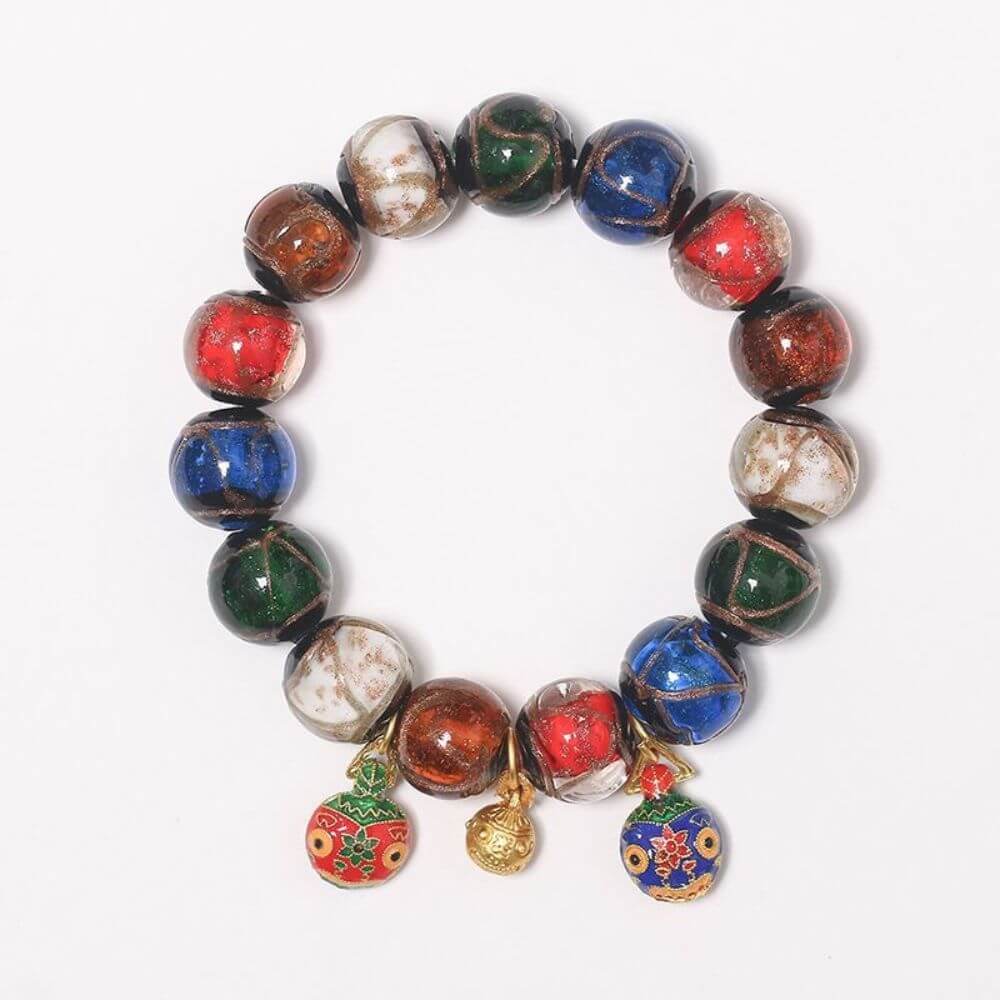
The traditional Shaolin bracelet is more than just an ornamental accessory. It carries centuries of history, philosophy, and spiritual meaning. Rooted in the legendary Shaolin Monastery of China, these bracelets are symbolic of strength, discipline, and the rigorous training endured by Shaolin monks. Beyond their aesthetic appeal, these bracelets serve as a constant reminder of the principles and values that the Shaolin tradition embodies.
Historical Origins of the Shaolin Bracelet
The origins of the traditional Shaolin bracelet trace back to the Shaolin Monastery, located in Henan Province, China. Established over 1,500 years ago, the monastery is widely regarded as the birthplace of Chan Buddhism and Shaolin martial arts. Monks at the monastery practiced intense martial arts routines combined with meditation and spiritual cultivation.
The bracelet itself was not initially created for fashion. Instead, it functioned as a spiritual and practical tool. Made traditionally from wooden beads, often from Bodhi or sandalwood trees, or occasionally from seeds and stones, these bracelets were easy to carry and durable enough to withstand rigorous training. Each bead was carefully counted, often in sequences of 18, 27, or 108, reflecting significant Buddhist numbers. These numbers represented various teachings, meditative practices, and philosophical ideals, linking the physical bracelet directly to spiritual practice.
Symbolism of Strength and Discipline
The traditional Shaolin bracelet is a powerful emblem of strength and discipline. Shaolin monks are renowned for their extraordinary physical abilities, cultivated through years of training and meditation. Wearing the bracelet serves as a reminder of this journey, embodying the persistence and mental focus necessary to overcome both physical and spiritual challenges.
The beads of the bracelet symbolize the countless hours of practice, the discipline required to master martial arts, and the mental resilience necessary to achieve inner peace. Each time a monk—or a follower of Shaolin philosophy—glances at the bracelet, it encourages reflection, mindfulness, and adherence to the principles of self-control and perseverance.
Spiritual and Meditative Functions
In addition to being a symbol of strength, the traditional Shaolin bracelet also plays an essential role in spiritual and meditative practices. Monks often use these bracelets to assist with counting mantras or breaths during meditation. This practice, known as mala meditation, helps to maintain focus and deepen spiritual concentration.
The tactile nature of the beads provides a physical anchor for the mind, preventing distractions and reinforcing meditative discipline. In essence, the bracelet bridges the gap between physical and spiritual development, reminding the wearer that true strength is not solely physical but also mental and emotional.
Materials and Craftsmanship
The choice of materials for the traditional Shaolin bracelet is deliberate and meaningful. Sandalwood, Bodhi seeds, and occasionally gemstones are preferred due to their spiritual significance. Sandalwood is believed to calm the mind and enhance meditation, while Bodhi seeds symbolize enlightenment, tracing back to the tree under which Buddha attained spiritual awakening.
Crafting these bracelets requires patience and skill. Each bead is polished and strung meticulously, reflecting the Shaolin philosophy of attention to detail and respect for the materials. This craftsmanship ensures that the bracelet is not just a spiritual tool but also a lasting artifact representing dedication and artistry.
Modern Significance
Today, the traditional Shaolin bracelet has transcended its monastic origins. Many people worldwide wear these bracelets to signify personal growth, discipline, and spiritual commitment. Martial artists, meditation practitioners, and even enthusiasts of Eastern philosophy adopt the bracelet as a symbol of their own journey toward inner strength.
While modern interpretations may include variations in materials and colors, the essence of the bracelet remains unchanged. It continues to represent resilience, discipline, and mindfulness, making it a timeless emblem for those seeking balance in a fast-paced world.
Wearing the Shaolin Bracelet
There is a particular way to wear the traditional Shaolin bracelet that honors its symbolism. Typically worn on the left wrist, the bracelet is positioned closest to the heart, symbolizing the integration of spiritual and physical discipline into daily life. Some practitioners also rotate the beads during meditation or training, allowing each bead to mark a mantra, prayer, or intention.
Wearing the bracelet consistently is believed to enhance mindfulness throughout daily activities. It is not just an accessory but a personal reminder to embody the principles of Shaolin philosophy in every action, decision, and interaction.
Conclusion
The traditional Shaolin bracelet is far more than a decorative item. It is a powerful symbol of strength, discipline, and spiritual mindfulness that has endured for centuries. Rooted in the practices of Shaolin monks, it embodies the balance between physical prowess and inner peace. From its historical origins to its modern significance, the bracelet continues to inspire those who wear it, serving as a constant reminder of the dedication required to achieve true strength—both in body and mind.
Whether used in meditation, martial arts, or as a personal emblem, the traditional Shaolin bracelet connects the wearer to a legacy of wisdom, resilience, and discipline. It reminds us that strength is cultivated through consistent effort, mindful reflection, and a deep respect for the journey of self-improvement.