
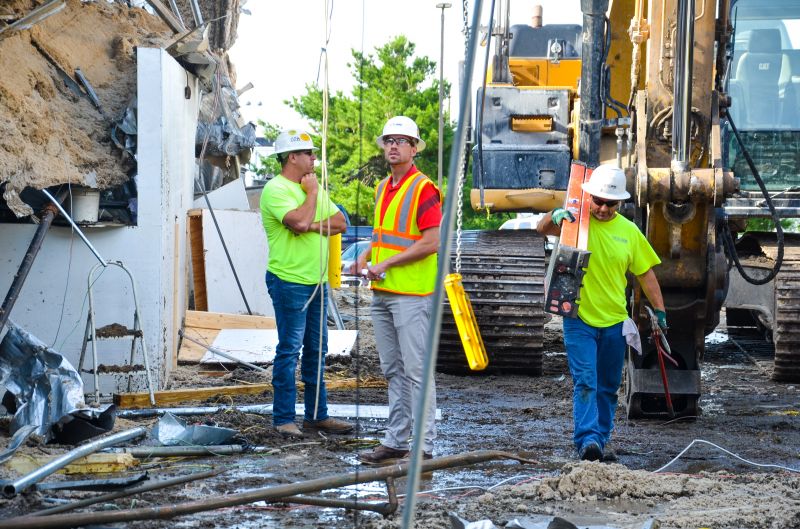
Experiencing a natural disaster or a home emergency can be overwhelming and stressful. Whether it’s flooding, fire, storm damage, or another catastrophic event, homeowners often feel lost about what to do next. Understanding the disaster restoration process and implementing best practices can make recovery smoother, safer, and more efficient. This article highlights the key steps homeowners should follow during disaster restoration.
Understanding Disaster Restoration
Disaster restoration involves repairing, cleaning, and restoring a property after damage caused by natural or man-made events. This process ensures that your home becomes safe, functional, and livable again. Professionals in disaster restoration focus on mitigating further damage, salvaging property, and restoring structural integrity. As a homeowner, it’s essential to understand what disaster restoration entails, so you can make informed decisions and work effectively with restoration experts.
Assessing the Damage Safely
Immediately after a disaster, it’s tempting to rush in and start cleaning or salvaging belongings. However, safety should be the top priority. Before entering your home, assess the damage from a safe distance. Look for visible hazards such as exposed electrical wires, structural instability, or gas leaks. If any of these risks are present, wait for professional help. Many disaster restoration companies offer initial assessments and can guide you on whether it’s safe to enter your home.
Contacting Your Insurance Company
Once safety is ensured, contacting your insurance provider is a critical next step. Document the damage with photos and videos, noting the affected areas and belongings. Insurance companies often require detailed records before processing claims. During disaster restoration, your insurer may recommend certified restoration companies or provide coverage for professional services. Understanding your policy limits and coverage will prevent surprises and ensure a smoother restoration process.
Hiring Professional Disaster Restoration Services
While some minor repairs may be manageable independently, disaster restoration often requires specialized knowledge, equipment, and techniques. Professionals in this field are trained to handle water damage, fire and smoke damage, mold remediation, and structural repairs. Hiring certified disaster restoration experts ensures that the restoration is thorough, prevents further damage, and increases the likelihood of salvaging more of your property. Look for companies with experience, positive reviews, and proper licensing.
Prioritizing Water and Fire Damage Mitigation
Two of the most common types of disaster damage are water and fire. Addressing these immediately can significantly reduce long-term issues:
- Water Damage: Standing water can weaken structures, damage electrical systems, and promote mold growth. During disaster restoration, professionals use pumps, drying equipment, and dehumidifiers to remove water and prevent secondary damage.
- Fire Damage: Fire and smoke can affect more than what is visibly burned. Disaster restoration teams clean soot, remove odor, and repair fire-damaged structures to ensure the home is safe for occupancy.
Timely mitigation of these issues is essential to prevent higher repair costs and long-term health risks.
Documenting the Restoration Process
Maintaining detailed records throughout the disaster restoration process is essential. Keep track of all communication with insurance adjusters, contractors, and restoration professionals. Document repairs, costs, and timelines. This not only helps in insurance claims but also provides a clear roadmap of the restoration journey. Organized documentation reduces confusion, avoids disputes, and ensures accountability from all parties involved.
Salvaging Belongings and Personal Items
During disaster restoration, separating salvageable and irreparable items is important. Items such as furniture, electronics, and sentimental belongings may be restored with professional cleaning techniques. Restoration experts often use advanced cleaning, disinfecting, and deodorizing methods to salvage valuables. Homeowners should coordinate with professionals to understand which items can be restored and which need to be replaced. This approach maximizes recovery and reduces unnecessary waste.
Maintaining Health and Safety
Disasters often create conditions that threaten health and safety. Mold, contaminated water, and debris can pose serious risks. Homeowners should take precautions by wearing protective gear, avoiding contaminated areas, and following professional guidance. Disaster restoration companies adhere to safety protocols to protect both workers and homeowners. Prioritizing health during the restoration process ensures the family can return to a safe living environment sooner.
Communicating with Restoration Experts
Open communication with disaster restoration professionals is crucial. Discuss your priorities, concerns, and expectations upfront. Ask questions about timelines, repair methods, and costs. Effective communication ensures transparency, reduces misunderstandings, and helps homeowners feel more in control during a stressful situation. Professional disaster restoration teams value clear guidance and will provide updates at each stage of the restoration.
Planning for Preventive Measures
Disaster restoration is not only about repairing damage but also about preparing for the future. Homeowners should take this opportunity to implement preventive measures such as waterproofing basements, installing fire-resistant materials, and creating an emergency preparedness plan. Investing in preventive strategies reduces vulnerability and may lower insurance premiums. Restoration professionals can offer advice on long-term improvements to make your home more resilient to future disasters.
Staying Patient and Organized
The disaster restoration process can take time, depending on the severity of the damage. Staying patient and organized helps homeowners navigate repairs efficiently. Keep track of progress, maintain communication with all parties involved, and follow professional guidance. Being proactive, rather than reactive, minimizes stress and ensures a smoother recovery. Remember, the goal is not only to restore your home but also to regain a safe and comfortable living environment.
Conclusion
Disaster restoration is a critical process that requires careful planning, professional expertise, and proactive homeowner involvement. By prioritizing safety, documenting damage, hiring certified restoration services, and maintaining open communication, homeowners can navigate the restoration process efficiently. Implementing preventive measures and staying organized ensures not only a successful recovery but also a more resilient home for the future. Following these best practices transforms a challenging situation into a manageable and structured restoration journey, helping families return to normalcy with confidence.